
You're running Google Ads. Leads trickle in. Your agency sends a monthly report packed with numbers that mean nothing to you. And somewhere in the back of your mind, you're not actually sure if any of it is working.
You're not alone. These are the questions we hear from business owners constantly, and most never get a straight answer. This article changes that.
Before you read on, try our free Google Ads ROI Calculator below to see whether the numbers stack up for your industry. It takes 30 seconds and will give you a clear picture of what's realistic.

Google Ads ROI Calculator
Find out if Google Ads makes sense for your business — takes 30 seconds
Key Takeaways
- Most businesses are spending on gut feel, not real data. Without tracking every lead from click to closed client, you don't actually know if Google Ads is profitable.
- Agencies that only report on clicks and cost-per-click are giving you marketing data, not decision data. Those are two very different things.
- Budget anxiety is almost always a knowledge problem. When you know your cost per client and lifetime value, the budget question answers itself.
- The businesses that seem to have endless ad budgets aren't reckless. They've done the maths and know the equation is profitable.
- Performance drops are often seasonal. Making rushed changes when results dip tends to cause more damage than the dip itself.
- The numbers that actually matter are cost per qualified lead, cost per client, and client lifetime value. Everything else is context.
1. Is Google Ads Actually Making Me Money?
Most businesses are spending on gut feel. Leads come in throughout the month and the assumption is that some of them must have come from Google Ads. In reality, a lot of those leads came from SEO, Google Business Profile, or direct referrals entirely.
Once you actually audit the numbers, you often find Google Ads is less profitable than assumed, and a significant chunk of budget is being wasted every month.
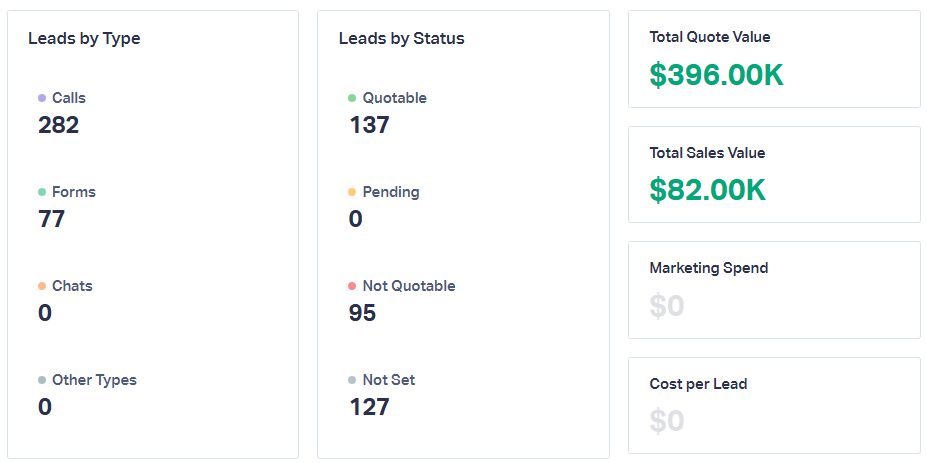
Every lead that comes through Google Ads needs to be tracked. Here's what you should know:
- Cost per engaged lead - how much you're paying per lead that actually responds and engages
- Percentage of engaged leads - not all leads are equal, and this ratio matters
- Cost per qualified prospect - how much you're paying per lead that is genuinely sellable
- Percentage of qualified prospects - the higher this is, the higher your chance of closing. This is one of the most important numbers you can track month to month.
- Cost per proposal sent - how much it costs to get to the point of presenting your offer
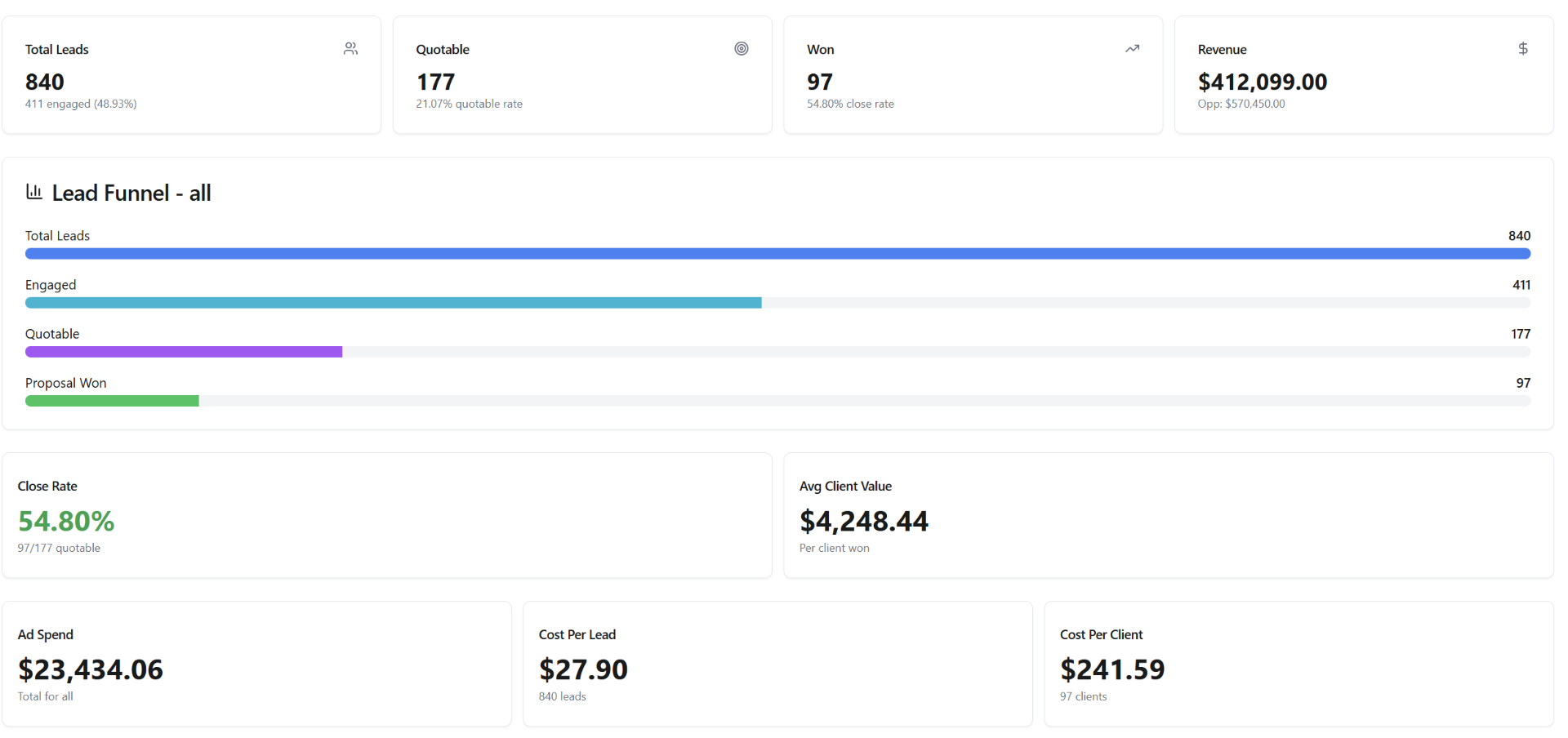
- Cost per client acquired - the number that tells you whether the whole machine is profitable
- Close rate - what percentage of real prospects are converting to paying clients
If your agency isn't giving you this picture, you don't know if Google Ads is working. You're just hoping it is.
Key Insight
The difference between a business that scales confidently and one that stays stuck is usually one thing: visibility. If you can see cost per client in real time, budget decisions become maths, not anxiety.
2. How Do I Know If My Agency Is Doing A Good Job?
If your agency isn't asking you how many sales you're closing from their leads, that's a problem. Most agencies treat lead generation as the finish line. It isn't.
A lead is not revenue. It's an opportunity. Whether that opportunity turns into money depends on lead quality and your sales process, and a good agency cares about both.
Here's what you should expect:
- Conversations about sales outcomes, not just lead volume. They should want to know your close rate and which leads went nowhere.
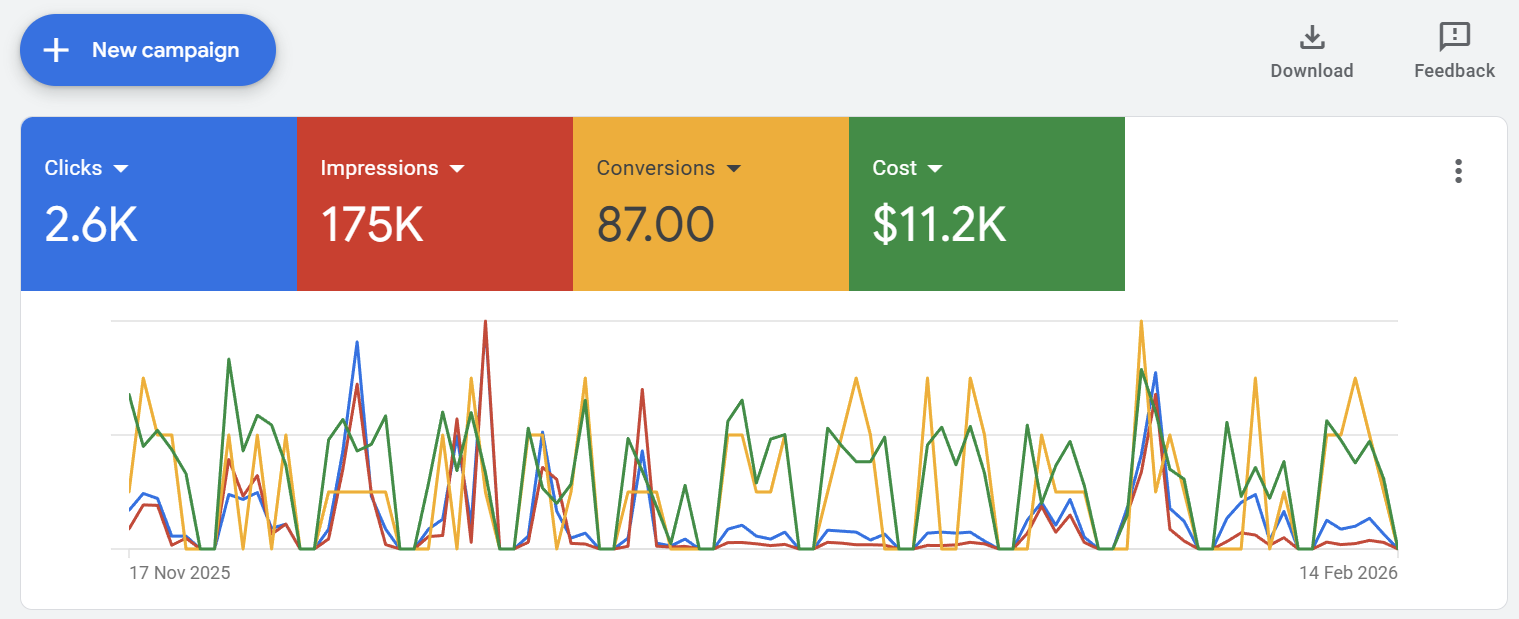
- Active account management with documented changes every month. Open your Google Ads change history. If it's empty, your account is on autopilot.
- Custom landing pages, not traffic sent to your homepage. Your landing page is roughly 50% of the overall lead generation process. Agencies driving traffic to your main website are leaving significant performance on the table.
- Reports that reflect business outcomes. Clicks, impressions, and click-through rate mean nothing to you as a business owner.
When lead quality gets raised, a lot of agencies point straight to the sales process. Sometimes that's fair. Businesses that are great at closing referrals often struggle with paid leads, which need a faster response and a different approach. But it should be a genuine conversation, not a deflection.
Pro Tip
Open your Google Ads change history right now. If the last meaningful change was more than 30 days ago, your account is on autopilot. A well-managed account has consistent, documented optimisation every single month.
3. How Much Should We Be Spending?
This is a "how long is a piece of string?" question. The honest answer is that budget is the wrong starting point.
The right question is: what does it cost to acquire a client, and what is that client worth? Once you know those two numbers, the whole conversation changes.
Instead of asking how much to spend, you start asking how much you need to invest to acquire a specific number of clients each month. That's how high-performing businesses operate. They don't have budget anxiety because the maths tells them what to do.
Some practical realities are worth knowing:
In competitive industries like personal injury law, going in at $2,000 a month will almost certainly disappoint. The algorithm won't have enough conversion data to optimise properly, and you'll attract a lot of low-quality traffic.
For lower-competition local services like allied health or psychology, $1,000 to $1,500 a month can get real results, provided your tracking and intake process are solid.
If your average transaction value is low and cost-per-click is high in your market, that's a structural problem. High-ticket services are far better suited to paid ads.
The businesses that appear to have endless budgets aren't reckless. They know their numbers, and spending more is just a logical decision.
Key Insight
The businesses that scale to $10K, $50K, or $100K+ a month in ad spend didn't get brave. They got clear on their numbers. When you know every dollar in produces three or four dollars out, the "how much should I spend?" question answers itself.
Want to see exactly how the maths plays out for your industry? Plug your numbers into the calculator below.
Google Ads ROI Calculator
Find out if Google Ads makes sense for your business in 30 seconds
Step 1 of 4
What industry are you in?
4. If I Increase Budget, Will Results Increase?
This question tells you immediately how much trust a business owner has in their campaign. A useful question to sit with: what's stopping you from doubling your ad spend today?
Most business owners hesitate. When you push them to double the budget right now to get the client growth they say they want, doubt surfaces quickly. That hesitation almost always comes from not knowing the numbers with enough confidence.
When your tracking is solid and the maths makes sense, scaling becomes a straightforward business decision. The constraints shift to operational ones: capacity, staffing, intake. Work through those one at a time and keep scaling.
If you know your numbers, you can scale. It really is that simple.
5. Why Did Performance Change?
Clients come to us and say, "Byron, something's changed. What did you do?" More often than not, nothing's broken.
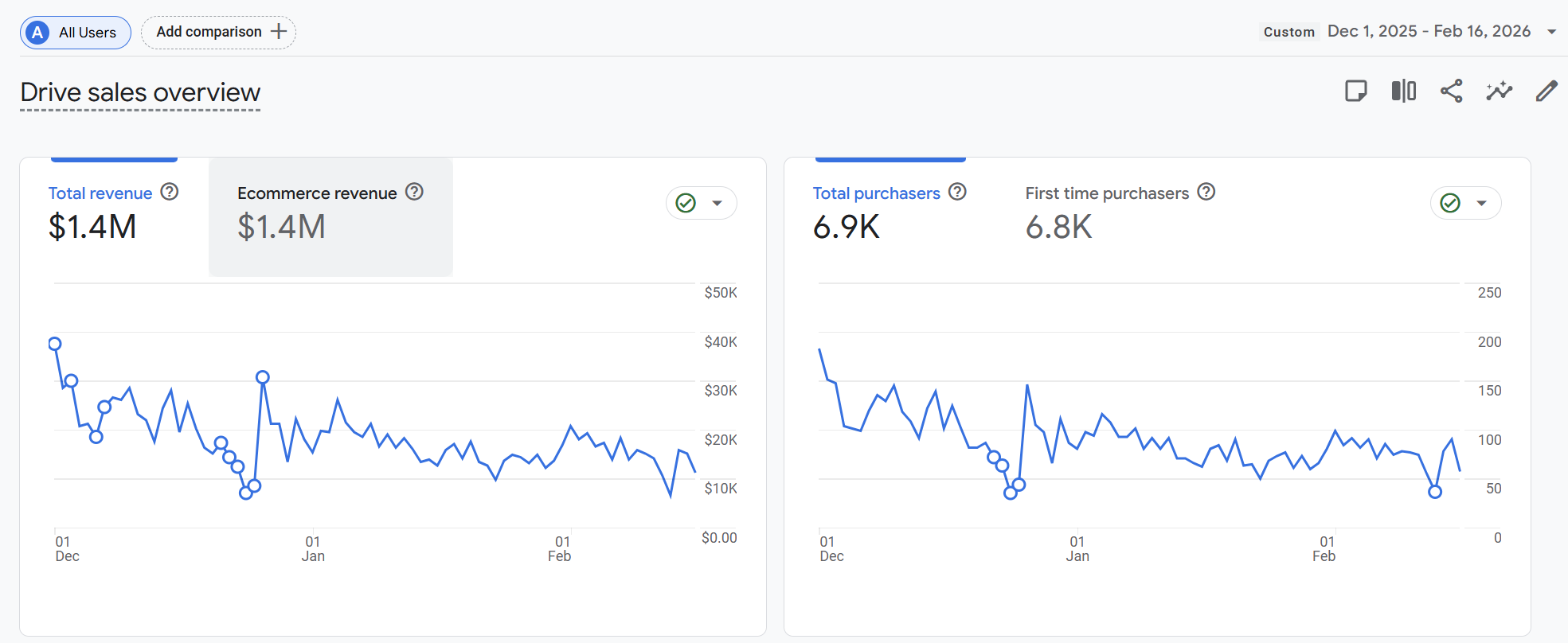
Paid ads have a natural rhythm. Christmas, school holidays, Easter, back-to-work in late January, these events all create predictable ebbs and flows in search behaviour. Performance dropping around these periods doesn't automatically mean something went wrong.
We tested this specifically with a client. Performance dipped and we agreed, with their sign-off, to make zero changes for two weeks. It came back on its own, just as strong as before. Making too many changes when things drop can create instability that's genuinely hard to undo.
If it's a sustained downward trend across four or more weeks with no seasonal explanation, investigate. But rushing to fix something that isn't broken almost always makes things worse.
Quick Win
Before making any changes to a dipping campaign, check the date range. Compare to the same period last year. Seasonal patterns explain the majority of short-term performance drops, and making rushed changes during these periods often causes more damage than the dip itself.
6. What Should I Actually Be Looking At In Reports?
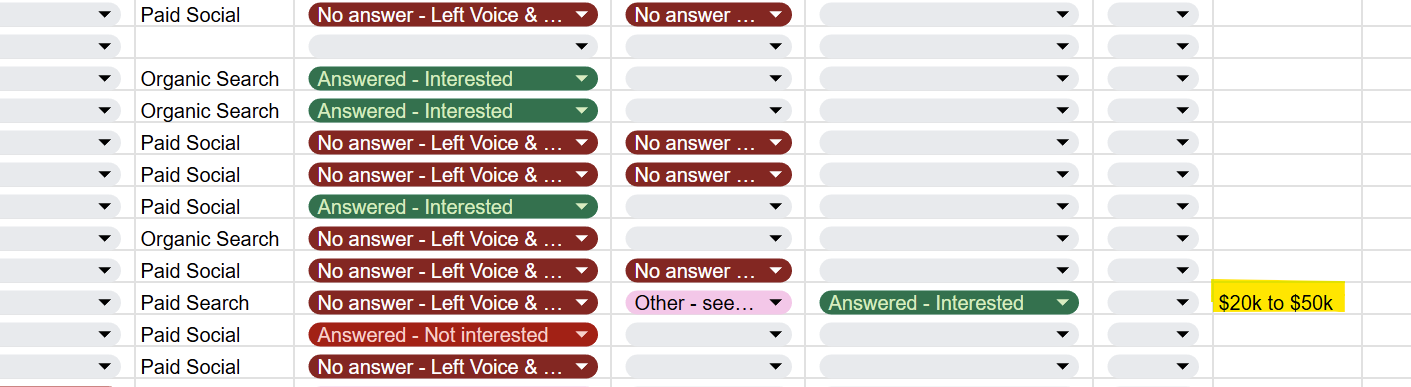
Most agency reports are useless to business owners. You'll be lucky to understand any of them, and even if you do, they won't tell you whether you made money.
Soft metrics like lead volume and cost-per-lead are a starting point, but they don't show revenue. They don't show whether those leads were qualified, what your close rate was, or what each client cost to acquire.
Here's what you should actually be asking for:
- How many of those leads were qualified prospects?
- What was my close rate on those leads?
- What did each acquired client cost?
Most agencies aren't tracking this. At PixelRush we built PixelRush HQ specifically because standard reporting tools were never designed to answer business questions. When you have full visibility from ad click through to signed client, the decisions stop being guesswork.
Key Insight
If your agency report doesn't tell you cost per acquired client, it's a vanity report. The only numbers that matter are cost per qualified lead, cost per client, and client lifetime value. Everything else is context at best, distraction at worst.
Google Ads ROI Calculator
Find out if Google Ads makes sense for your business — takes 30 seconds
7. Are We Missing Opportunities? Are Competitors Getting Ahead?
You can't see inside a competitor's Google Ads account. There's no tool that gives you a precise view of their spend or their results.
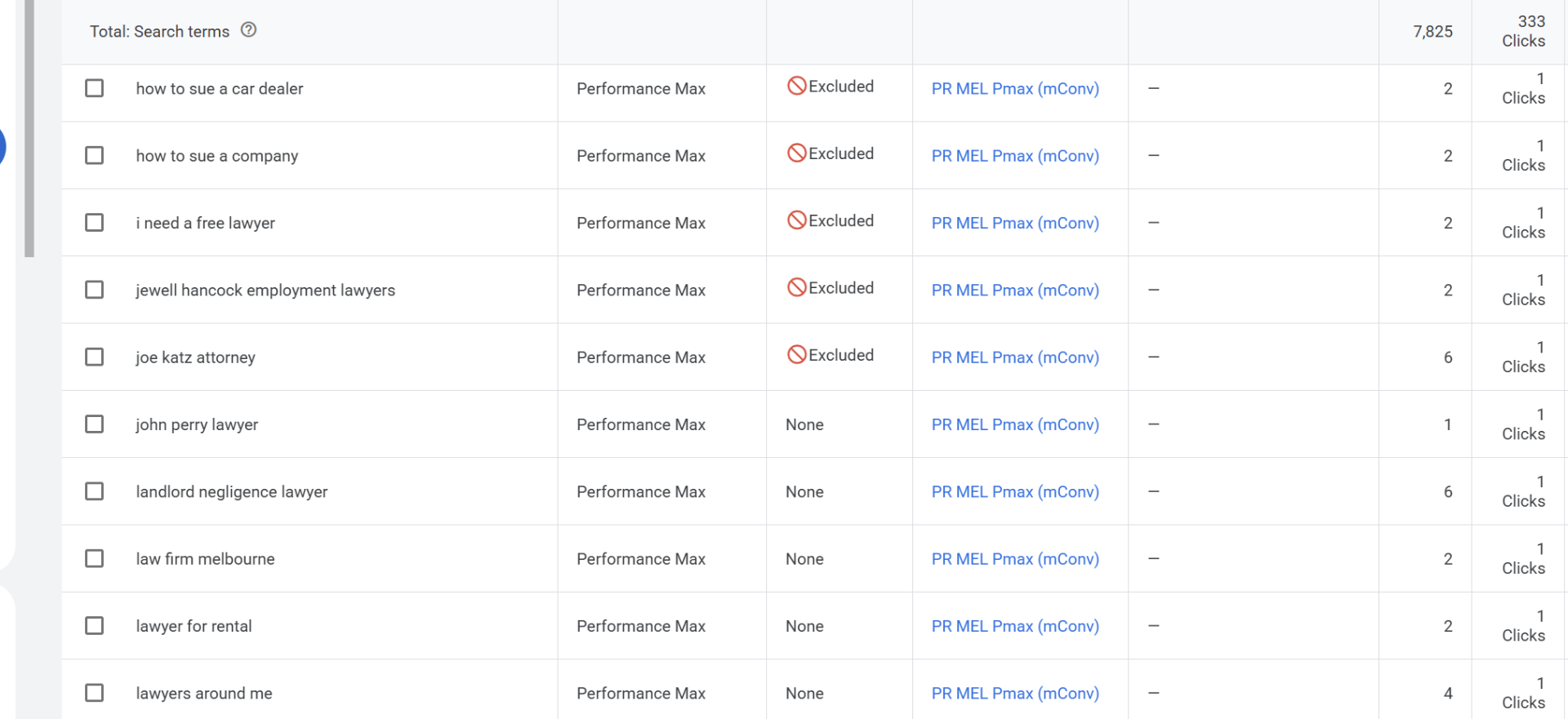
What is worth understanding is that competitors aren't all running the same type of campaigns. A business running standard search campaigns has a very different reach to one running Performance Max. PMax operates across search, display, search partners, and YouTube simultaneously. A competitor using it could be reaching your prospects across multiple networks at once while you're only showing up on search.
But the bigger question isn't what they're doing tactically. It's whether they know their numbers. The business that knows its cost per client, knows what that client is worth, and is confident the equation is profitable, that's the business willing to keep spending. That's how businesses go from $10,000 a month to $100,000 a month in ad spend. Not because they got brave, but because the data told them it made sense.
8. What's Broken?
When business owners ask this question, they usually already sense something is off. They just can't pinpoint where. Here are the most common places the system breaks down.
- The landing page. If your agency is sending paid traffic to your main website, you're losing leads. A website serves many purposes. A landing page serves one: converting a specific visitor into an enquiry. That distinction has a significant impact on results.
- Speed to lead. Getting in touch with leads is harder than it used to be. More people screen calls. More people don't answer. That makes response speed even more critical. Multiple touchpoints across phone, SMS, and email aren't optional extras, they're standard practice.
- Account activity. Open your Google Ads change history. If the last meaningful change was months ago, your account is being managed passively. A well-managed account has consistent, documented changes every single month.
- What you're training the algorithm on. If you're counting every form fill or phone call as a conversion regardless of lead quality, you're teaching the algorithm to find more of the same. It will give you what you tell it you want. Tell it every lead is a win, and it'll send you a lot of leads. Just not necessarily good ones.
Pro Tip
The fastest way to diagnose a broken campaign: check three things in order. First, is traffic going to a dedicated landing page or your homepage? Second, how fast are leads being contacted? Third, what conversion actions is the algorithm being trained on? Fix these in order and most campaigns turn around within 60 days.
9. Should We Even Be Using Google Ads?
This question usually surfaces after a bad experience: poor results, a disengaged agency, rising costs, or a run of unqualified leads. It's a fair question, and not one that can be answered simply.
For B2B, we've seen Meta Ads perform incredibly well. The targeting capabilities and generally lower costs make it worth serious consideration before defaulting to Google.
For personal injury law, we've also seen Meta deliver results at a fraction of the cost of Google Ads. The leads need more nurturing, but the cost-per-client can be dramatically lower when the campaign and intake process are set up properly.
That said, the big opportunities are still on Google. We've seen $20,000 to $200,000 cases come directly through Google Ads. There's more noise in the system than there used to be, more spam and unqualified inquiries. But the high-value cases that make it all worthwhile are still very much there.
For most service businesses the answer isn't Google or Meta. It's both, playing different roles. If you've had a bad run on Google Ads, the instinct is to blame the platform. In most cases the platform isn't the problem. The agency, the tracking, or the intake process is.
If you haven't already, run your numbers through our ROI calculator above to see whether Google, Meta, or both make sense for your business.
Google Ads ROI Calculator
Find out if Google Ads makes sense for your business — takes 30 seconds
10. When Do We Stop, Scale, Or Change Strategy?
This is the most important question of all. It's a capital allocation decision, not an advertising one.
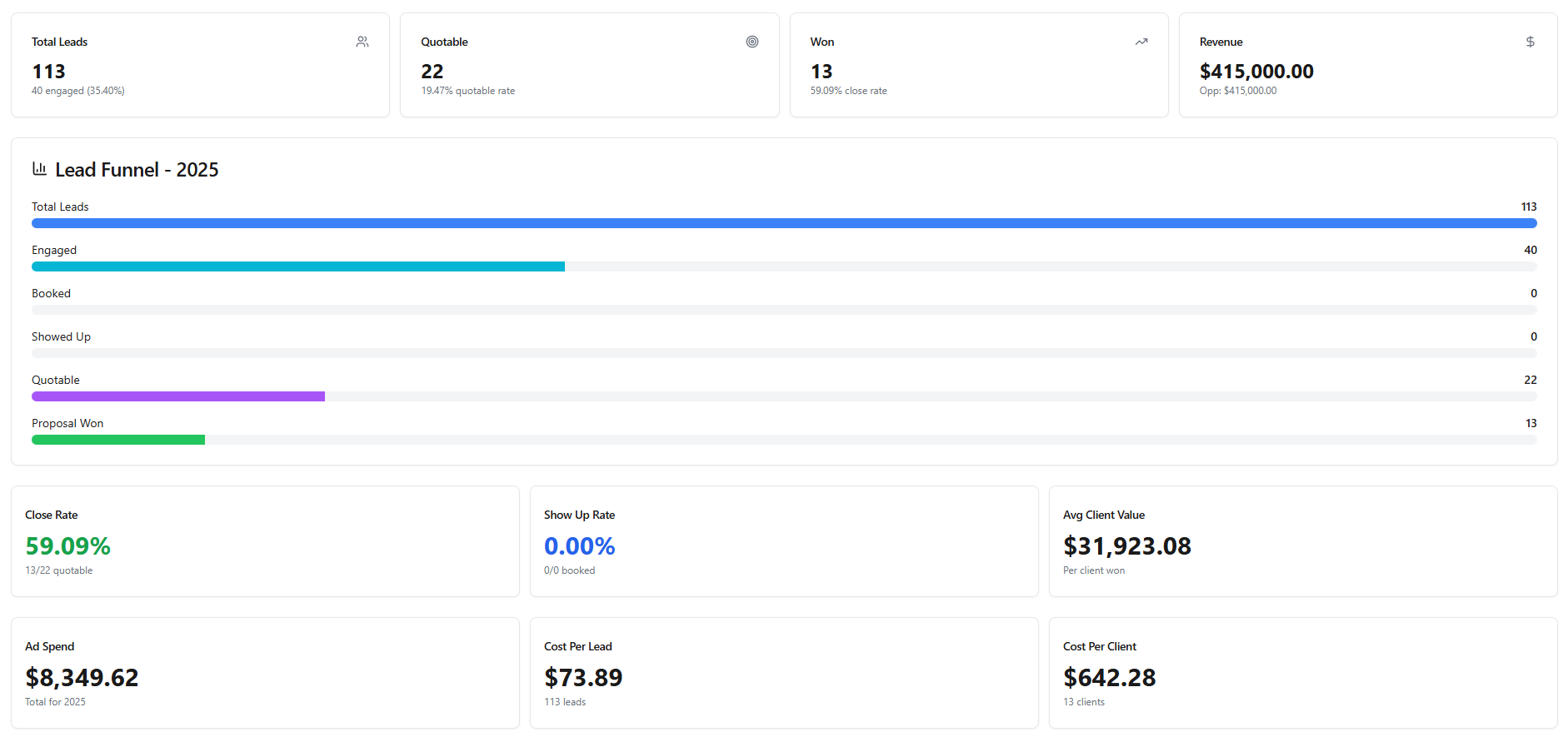
Scale when you know your cost per client, you know your client lifetime value, and the ratio makes sense. When capacity allows and the numbers are clean, scaling is a business decision with a predictable return.
Pause and reassess when you've been running for four or more months with consistent spend and can't point to a single client that came directly from the campaign. Or when your cost per client is above what your business can sustain.
Change strategy when the channel is fundamentally misaligned with how your ideal clients find and choose a provider. Not every business belongs on Google Ads, and a good agency will be honest with you about that.
The principle across all three decisions is the same: you need clean data. Without it you're not making strategic decisions. You're making emotional ones.
Key Insight
Stop, scale, or pivot. They're all the same decision dressed differently. The answer always comes back to three numbers: cost per client, client lifetime value, and close rate. If you have those, the decision makes itself. If you don't, you're guessing.
The Bottom Line
Most businesses running Google Ads are operating with incomplete information and hoping for the best. There's often a significant gap between what's being spent and what's actually coming back.
If you can't answer these three questions right now, start here:
- What did it cost to acquire each client that came through Google Ads in the last 90 days?
- What is each of those clients worth to your business?
- What percentage of your leads were actually qualified?
If those numbers are unclear, the problem isn't your ads. It's your visibility into them.
Want a plain-English breakdown of what your Google Ads are actually generating? Book a free audit with PixelRush and we'll show you exactly what's working, what's not, and what it would take to make the numbers make sense.
Frequently Asked Questions
Is Google Ads worth it for small businesses?
For most small service businesses with high-ticket offerings, yes, but only when you track the full funnel from click to signed client. Without that visibility, you're guessing. Small businesses with low transaction values and high CPCs often find the economics don't work.
How much should I spend on Google Ads per month?
There's no universal answer. The right budget depends on your cost per client and what that client is worth. In competitive industries, $2,000/month may not be enough for the algorithm to optimise. For local services, $1,000 to $1,500 can work if tracking and intake are solid.
How do I know if my Google Ads agency is doing a good job?
A good agency talks about sales outcomes, not just lead volume. They make documented changes monthly, use custom landing pages, and report on metrics that matter to your business, like cost per qualified lead and cost per client acquired.
Why did my Google Ads performance drop suddenly?
Performance drops are often seasonal. Christmas, school holidays, and Easter all affect search behaviour. If the dip lasts less than four weeks, resist the urge to make changes. Rushed adjustments often cause more instability than the original dip.
Should I use Google Ads or Meta Ads?
For most service businesses, the answer is both. Google captures high-intent searches while Meta builds awareness at lower cost. The right mix depends on your industry, but blaming the platform for poor results usually means the real issue is tracking, landing pages, or intake speed.
Want us to implement these strategies for you?
Book a free strategy call and let's discuss how we can grow your business.
Book Your Free Call
Written by
Byron Trzeciak
Founder of PixelRush, Byron has spent over a decade mastering digital marketing. His agency has helped 300+ brands grow, managed $10M+ in ad spend, and optimised 400+ landing pages. He shares hard-won strategies so you can skip the learning curve.
Continue Reading
View All →
Why Personal Injury Google Ads Are Getting More Expensive (And What to Do About It)
22 min read
The Lead Response Crisis: Why Your "Bad Leads" Might Actually Be Gold
4 min read